
Storm Damage Roof Repairs in Longniddry: What to Do After High Winds, Heavy Rain or Missing Tiles

If you need storm damage roof repairs in Longniddry after high winds, heavy rain or missing tiles, the most important thing is to act quickly and safely. Storm damage is not always dramatic from the outside. A single slipped slate, lifted flashing or overflowing gutter can allow water into the roof structure long before the full extent of the problem becomes obvious indoors.
At City Roofcare, we provide roofing services from our Longniddry base and work across Edinburgh and the Lothians. With 30 years of experience across traditional and modern roofing systems, we give straightforward advice, assess the damage properly and help property owners decide on the right next step without unnecessary guesswork.
Storm Damage Roof Repairs Longniddry: First Steps to Take
1. Put safety first
Do not climb onto the roof during or immediately after bad weather. Wet coverings, loose tiles and unstable edges can make the roof unsafe very quickly.
If you can see fallen debris, slipped materials or parts of the roof hanging loose, keep people clear of the area below. This is especially important near entrances, paths, driveways and shared access points.
2. Limit internal water damage
If rain is getting in, move furniture, electronics and valuables away from the affected area if it is safe to do so. Put a container under active drips and use towels or sheeting to protect floors and nearby surfaces.
If water is close to electrics, do not take risks. Keep clear of the affected area and seek the right help as needed.
3. Record what you can see from the ground
Take clear photos of any visible damage from a safe position. Useful things to note include:
Missing, cracked or slipped tiles or slates
Debris on the ground
Leaking gutters or detached downpipes
Water marks on ceilings or walls
Damage around chimneys, flashing or roof edges
If you plan to speak to your insurer, dated photos and a short note of when the problem started may help. Even so, it is usually sensible to arrange a roofing assessment quickly so the damage does not worsen while you wait.
Common Signs Your Roof Has Been Damaged by a Storm
Not all storm damage is easy to spot from the street. In many cases, the first warning sign is a leak, a damp patch or debris that appears after a night of strong wind and rain.
Common warning signs include:
Missing, loose, cracked or slipped tiles
Dislodged or broken slates
Water coming into the loft or through ceilings
Damp patches, staining or bubbling paint indoors
Lifted ridge tiles or damage at the roof edge
Loose flashing or problems around abutments and valleys
Blocked, leaking or storm-damaged guttering
Movement or visible damage around the chimney area
Even minor-looking faults can allow repeated water ingress. That is why many property owners contact us for emergency roof repairs as soon as they notice a problem, rather than waiting for the next spell of bad weather to test the roof again.
Why Quick Action Matters After High Winds and Heavy Rain
Storm damage rarely improves by itself. Once water gets beneath tiles, slates, flashing or flat roof details, the affected area can deteriorate faster than most owners expect.
Fast action helps to:
Reduce further water ingress
Protect roof timbers, insulation and internal finishes
Prevent one missing tile from becoming wider damage
Identify whether the issue is localised or more extensive
Lower the chance of repeated leaks during the next rainfall
Just as importantly, early inspection can show when a targeted repair is enough. Not every storm issue means major work. If the damage is limited and the rest of the roof remains sound, a well-planned repair is often the most sensible solution.
What We Look For During a Storm Damage Roof Assessment
At City Roofcare, we assess storm damage with a practical focus: where the water is getting in, what has moved or failed, and what is needed to make the roof secure again. Our work covers domestic and commercial roofing, and we deal with both traditional and modern roof types.
A proper inspection may include checking:
Tiles and slates for cracks, movement and loss
Ridge tiles, verges, hips and roof edges
Leadwork, flashings and valley details
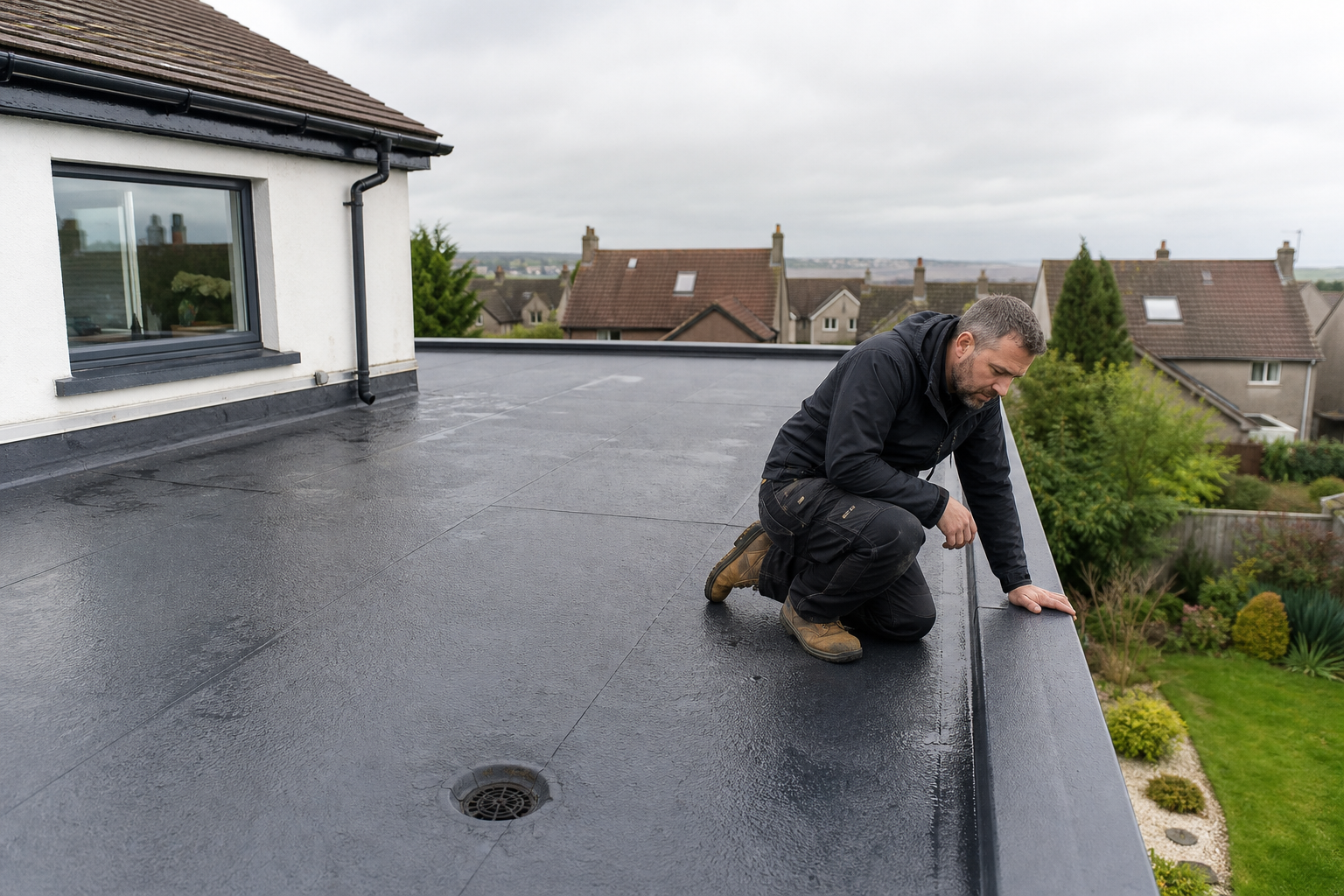
Flat roof coverings, joints and edge details where relevant
Guttering, downpipes, fascias and soffits
Chimneys and surrounding roof junctions
Signs of active leaks inside the roof space or property
This allows us to recommend the most appropriate next step, whether that is an urgent make-safe repair, further remedial work or a broader repair plan. If you need experienced roof repairs in Longniddry, an accurate assessment is the best place to start.
Repairs Commonly Needed After Storm Damage
Slipped, cracked or missing tiles and slates
High winds can lift roof coverings or loosen fixings, especially around exposed edges and older sections of roof. One missing tile or slate may not look serious from the ground, but it can expose the underlayer and allow rain to track into the property.
We carry out slate and tile roof repairs to deal with this kind of localised damage and restore the roof covering properly.
Leadwork, flashing and valley issues
Storm conditions can also reveal weak points around flashings, valleys and roof junctions. If leadwork has lifted, split or pulled away, rainwater can enter around chimneys, walls and changes in roof direction.
These faults are often mistaken for a general roof leak when the real issue is a failed detail. Correct diagnosis matters, because patching the wrong area rarely solves the problem for long.
Guttering, fascias and soffits
Heavy rainfall does not always mean the roof covering itself has failed. Sometimes the problem is blocked, damaged or overflowing guttering that sends water back towards the property. Storm conditions can also loosen sections of fascia or soffit, which then affects drainage and weather protection.
That is why we also look at the wider roofline, not just the obvious leak point.
Chimney-related damage
Chimneys sit in a high-exposure part of the roof and can be involved in storm-related leaks. Damaged mortar, failed flashing or movement in surrounding materials may all allow water in.
Where needed, we can inspect this area as part of our broader guttering and chimney repair services so the real cause is not missed.
When to Call for Urgent Help
Some roofing issues can wait for a planned appointment. Storm damage often cannot. You should arrange urgent advice if:
Water is actively entering the property
Tiles, slates or other materials have fallen or look close to falling
The leak is near electrics, loft insulation or vulnerable stored items
You can see obvious movement around the chimney or roof edge
The damage appeared suddenly after recent severe weather
In some situations, the first visit may focus on making the roof safe and reducing water ingress, followed by permanent repairs once conditions and access allow. This is often the most sensible approach when weather remains unsettled.
Why Property Owners in Longniddry Choose City Roofcare
We know that storm damage is stressful because the problem is urgent and the right solution is not always obvious. Our role is to make that simpler. We offer free roofing advice, an honest assessment and practical recommendations based on the roof in front of us.
City Roofcare has 30 years of experience and provides a 24-hour service, seven days a week. We work on traditional and modern roofing systems, including storm damage repairs, roof repairs, slate roof repairs, tile roof repairs, guttering and chimney repairs.
Customers have praised our prompt response, honest advice and reliable workmanship, which reflects how we aim to handle urgent roofing problems. If you have recent weather damage, we can assess what has happened and advise on the most sensible next step for your property.
Frequently Asked Questions
Do I need emergency roof repairs for one missing tile?
Often, yes. One missing tile can be enough to let rainwater into the roof structure, particularly during prolonged wet weather or strong winds. The safest option is to have it checked promptly so a small fault does not turn into a larger repair.
Can heavy rain cause a roof leak even if the roof looks fine from the ground?
Yes. Water can enter through lifted flashing, damaged leadwork, a failed valley, cracked mortar or blocked guttering without leaving obvious signs at street level. That is why a professional inspection is useful when a leak appears suddenly after heavy rain.
Do you carry out slate roof repairs and tile roof repairs after storms?
Yes. City Roofcare carries out slate roof repairs and tile roof repairs, along with general roof repairs, storm damage repairs and other related roofing work.
Should I call a roofer or my insurer first after storm damage?
If the roof is leaking or there is a safety issue, it is usually sensible to speak to a roofer quickly so the damage can be assessed and the property protected. If you intend to make a claim, keep photos and contact your insurer to understand their process.
Can storm damage affect gutters and chimneys as well as the main roof?
Yes. Storm conditions can loosen guttering, affect roofline components and expose weak points around chimneys. A full roofing assessment should consider these related areas, not only the section where the leak first appears indoors.
Conclusion
After high winds, heavy rain or missing tiles, delaying action can allow a small roofing fault to become a much larger problem. Safe early checks, clear advice and timely repairs give you the best chance of protecting your property properly.
If you need storm damage roof repairs in Longniddry, call City Roofcare on 07762 839917 for urgent roofing advice and to arrange an on-site assessment, or visit www.cityroofcare.co.uk to learn more about our roofing services.
Comments